
Why Exterior Cleaning Is Easier to Damage Than Most People Think
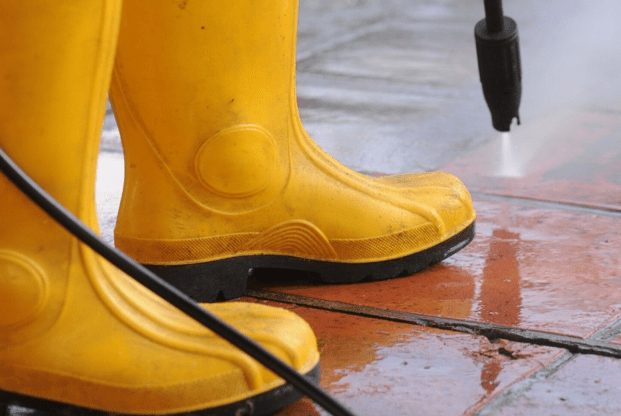
A lot of exterior damage starts with good intentions. Someone rents a pressure washer for the weekend, points it at the siding, and assumes dirt is dirt. Then the paint starts peeling near the trim, water slips behind vinyl panels, or soft wood ends up carved with permanent spray lines. Power washing looks aggressive because it is aggressive. The difference is that professionals know where pressure works and where it quietly causes problems that may not show up until months later. Exterior cleaning is less about blasting surfaces and more about understanding how materials react under force, heat, moisture, and time.
High Pressure Is Not Always Better
A widespread misconception is that higher pressure cleaning on the exterior is more effective. Experts use several methods, cleaning chemicals, and rinse patterns to complete the job while minimizing pressure to retain the surface. Compared to painted wood or older brick, concrete is more durable; yet, it does have some limits. Painted brick and wood do not last as long as concrete. Excessive pressure leads to increased erosion and roughening of the top layer, which therefore gets dirtier faster. Professionals focus on spray angle, nozzle distance, surface temperature, and weather because they affect results more than most people realize.
Different Materials Age in Different Ways
Exterior surfaces rarely wear evenly. A shaded side of the house may grow algae while the sunnier side stays relatively clean. Brick absorbs moisture differently from vinyl siding. Older decks become softer over time and react badly to concentrated pressure. You can usually tell when a property has been cleaned incorrectly because the damage looks uneven. Some boards appear fuzzy, mortar lines look chipped out, or siding develops streaks that were never there before. Experienced crews notice these weak points before cleaning starts. That matters because protecting the material is ultimately more important than making it look bright for a week.
Moisture Causes More Problems Than Dirt Alone
Most exterior buildup is tied to moisture in one way or another. Mold, algae, mildew, and dark staining thrive in damp areas that receive limited sunlight and poor airflow. In cities, especially, grime sticks faster because pollutants mix with moisture and settle into porous surfaces. Rain alone does very little to clean that buildup away. It usually spreads it around. This is part of the reason routine maintenance matters. Property owners often wait until surfaces look heavily stained before scheduling service, but by then the buildup has already settled deeper into the material. The same pattern shows up indoors with residential cleaning, where surfaces that appear fine on the outside often hold layers of trapped dust, residue, and moisture underneath.
Professional Cleaning Is Mostly About Control
Good power washing is controlled, measured work. Professionals do not treat every surface the same because every surface responds differently. An experienced technician adjusts pressure levels constantly throughout a job, especially around windows, trim, entryways, painted areas, and aging materials. A proper exterior cleaning process often includes:
- Adjusting spray intensity based on material condition
- Using cleaners designed for algae and organic buildup
- Rinse evenly to avoid streaking and discoloration
- Protecting vulnerable areas where water intrusion can happen
- Spotting early signs of wear before visible damage spreads
That kind of attention is difficult to fake. You usually see it in the final result. The property looks cleaner, but it also looks intact.
Clean Exterior Surfaces Change How a Property Feels
Even without explanation, people notice exterior cleanliness immediately. Clean paths feel safer. Light hits a property differently with bright siding. The entrances are in good repair. Since clients have opinions before they go inside a business, businesses need to pay greater attention to the details. This is the reason why a lot of businesses invest in commercial cleaning in Washington, DC, and the continuing care of the outside of their buildings. Buildings that are clean give the idea that they are properly kept, but exteriors that have been neglected provide the opposite impression, even if it is not true.
Conclusion
When it comes to exterior cleaning, we at UC Eagle Property Services approach the task with the knowledge that every material has its own range of capabilities. Effective power washing in Washington, DC, is not about using the highest pressure possible. It is about knowing how to remove buildup safely without shortening the life of the surface underneath. That balance is what separates professional work from quick cosmetic cleaning. The same thinking applies to residential cleaning because maintaining a property properly is always easier and less expensive than correcting avoidable damage later.
If your siding, walkways, deck, or exterior surfaces are starting to look weathered, stained, or uneven in color, this is the right time to deal with it before the buildup becomes harder to remove. Contact us today to schedule a professional cleaning service and keep your property protected, maintained, and looking the way it should.
FAQs
1. Can power washing damage exterior surfaces?
Yes, incorrect pressure levels or poor technique can damage siding, wood, paint, brick, and even concrete over time. With professional care, proper equipment, and the right cleaning methods, exterior surfaces can be cleaned safely without unnecessary damage.
2. How often should exterior surfaces be professionally cleaned?
Most properties benefit from professional exterior cleaning once a year, although shaded or high-moisture areas may need more frequent service.
3. Why do algae and dark stains keep returning to siding and walkways?
Moisture, humidity, and limited sunlight create the perfect conditions for algae and organic buildup to grow back quickly.
4. Is professional power washing better than DIY cleaning?
Professional cleaning uses the right pressure, equipment, and cleaning methods for each surface, which helps avoid costly damage.
5. What surfaces should never be cleaned with high pressure?
Older wood, painted surfaces, aging brick, and delicate siding materials can all be damaged if excessive pressure is used.